
Neuroplasticity and Hypnosis: Rewiring Your Brain for Resilience
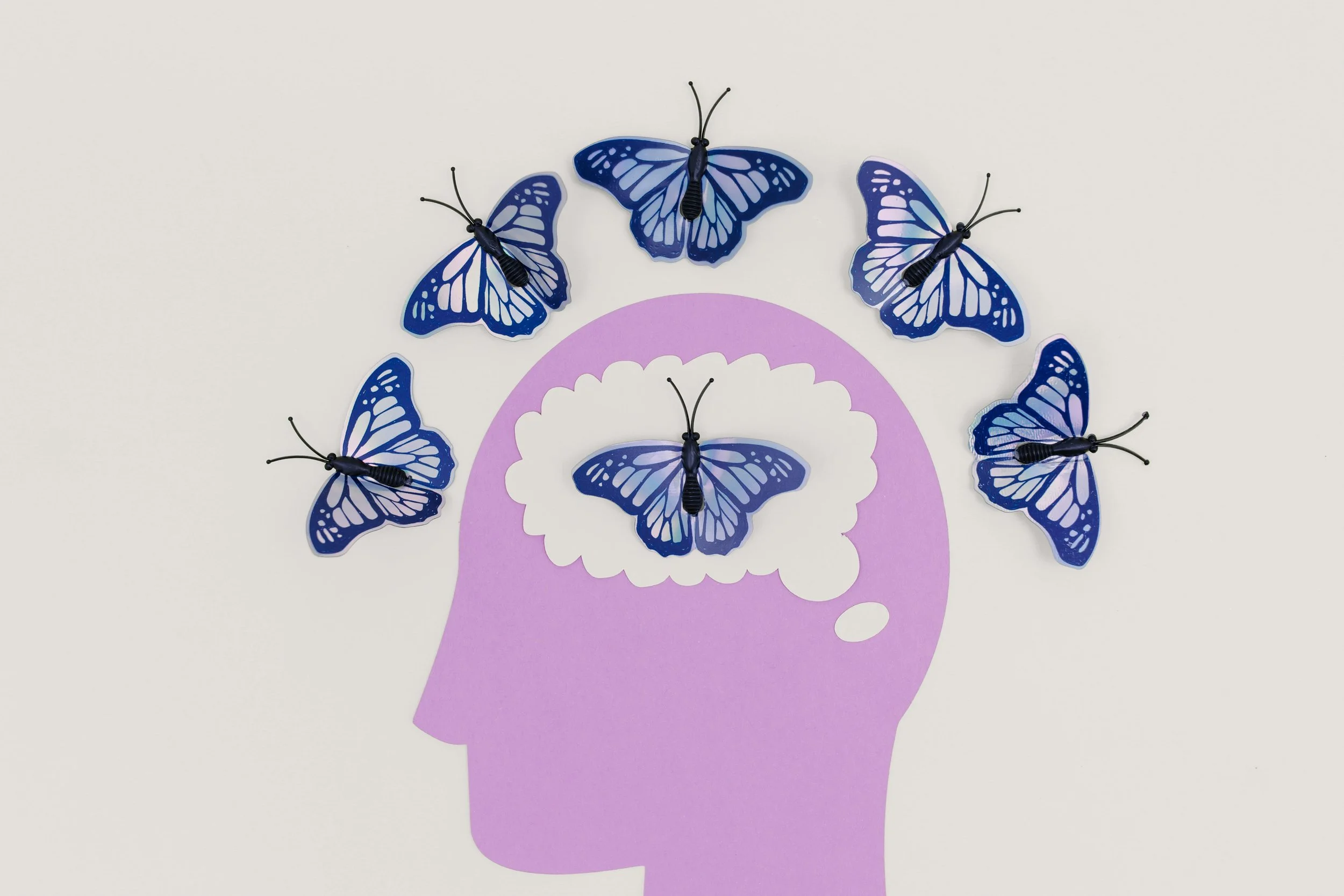
Neuroplasticity is the brain’s remarkable ability to reorganize itself, forming new neural connections in response to experience, learning, and intentional practice. This adaptability allows us to recover from stress, build resilience, and cultivate lasting mental and emotional growth. Hypnosis offers a powerful tool to amplify neuroplasticity, guiding your mind and body to create beneficial changes in brain function and behavior.
Understanding Neuroplasticity
Your brain is not static; it’s a dynamic network that continuously reshapes itself. Every thought, emotion, and action leaves a trace, influencing how future experiences are processed. Through neuroplasticity, the brain can strengthen positive pathways, weaken unhelpful patterns, and improve overall resilience.
How Hypnosis Enhances Neuroplasticity
Research shows that hypnosis can optimize conditions for neuroplastic change:
Altered Brain Connectivity: Hypnosis affects networks associated with attention, executive function, and emotion regulation, allowing more flexible and adaptive brain communication.
EEG & Neural Changes: Theta and alpha brainwave activity increase during hypnosis, creating a relaxed but focused state that facilitates learning and emotional rewiring.
Pain and Sensory Modulation: Hypnosis reshapes how the brain interprets physical and emotional discomfort, highlighting its potential for behavioral and physiological change.
Hypnotizability: Individuals with higher responsiveness to hypnosis often experience stronger neural changes, but even moderate hypnotizability supports meaningful brain adaptation.
By combining focus, guided imagery, and suggestion, hypnosis provides a “plastic-friendly” mental environment, making it easier for the brain to form new, beneficial pathways.
Practical Techniques for Rewiring Your Brain
To leverage hypnosis for neuroplasticity and resilience:
Guided Hypnosis Sessions: Use recordings or live sessions targeting emotional regulation, habit change, or stress reduction. Repetition reinforces new neural pathways.
Visualization & Mental Practice: Imagine positive behaviors or emotional states. Visualization strengthens neural circuits as if you were performing the actions physically.
Focused Attention & Suggestion: Hypnosis directs your mind toward desired outcomes, enhancing learning and consolidation of new behaviors.
Combine with Action: Reinforce hypnotic suggestions with small, deliberate actions to solidify new patterns.
Consistency: Daily practice, even 5–15 minutes, can accumulate significant changes over time. Repetition is key to durable neuroplastic change.
Benefits of Hypnosis-Facilitated Neuroplasticity
By intentionally engaging your mind through hypnosis, you can:
Reduce stress reactivity and emotional overwhelm
Strengthen resilience in challenging situations
Improve focus, attention, and cognitive flexibility
Overcome limiting beliefs and unhelpful habits
Enhance overall mental and emotional well-being
Neuroplasticity proves that your brain is capable of remarkable adaptation. Hypnosis is a scientifically supported way to guide this change, helping you create lasting, positive transformations in mind, body, and behavior.