
Guided Visualization Techniques for Stress Reduction: Harnessing Your Mind to Calm Your Body
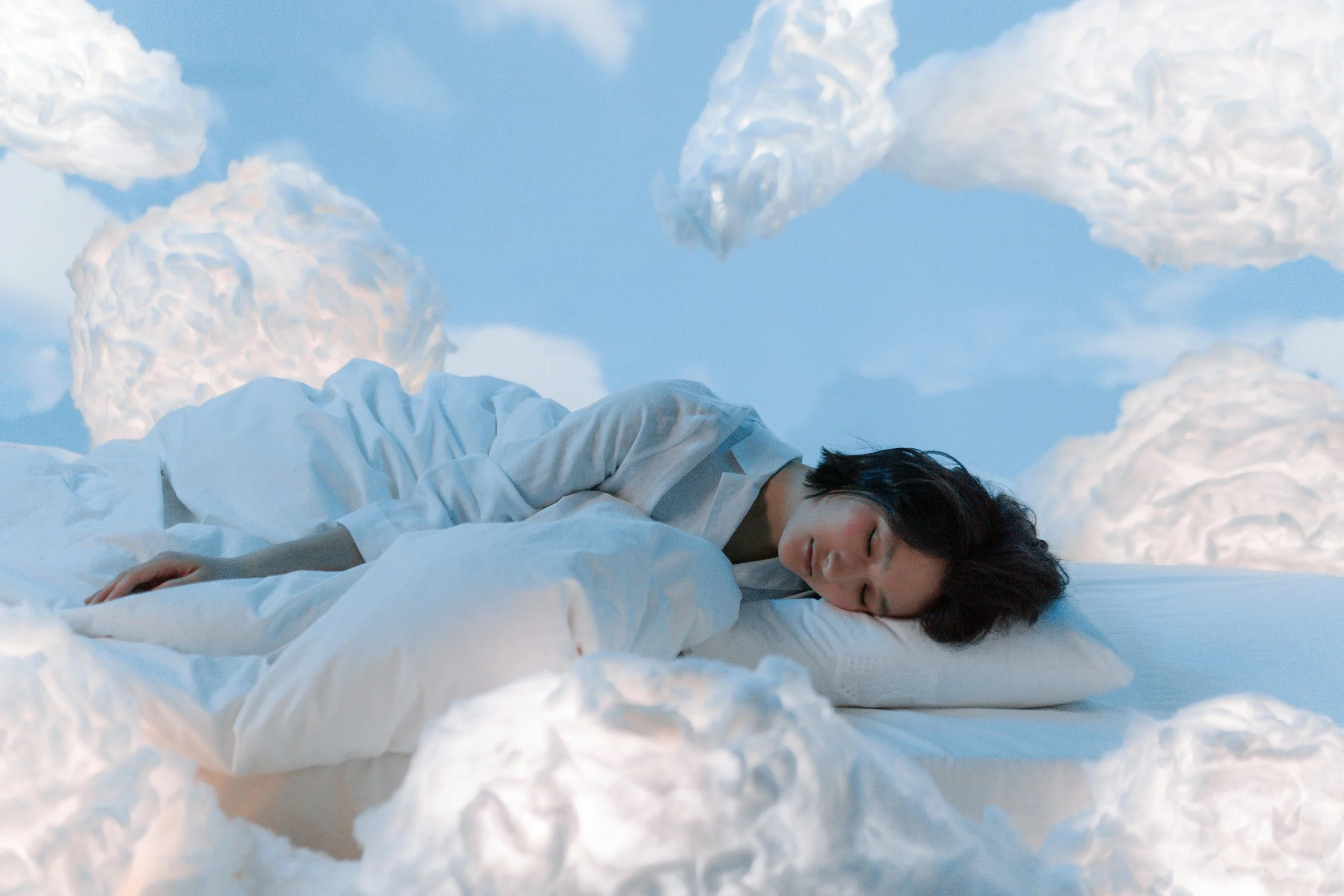
Guided visualization, also known as mental imagery, is a powerful tool for stress reduction that engages the mind to influence the body. When combined with hypnosis, visualization goes beyond simple relaxation—it creates measurable physiological changes, helping the nervous system shift from a state of tension to calm.
How Guided Visualization Works
Visualization works by intentionally imagining calming scenes, soothing sensations, or empowering experiences. Scientific studies in hypnotherapy have shown that:
Heart Rate Variability (HRV) Improves: Guided imagery can enhance parasympathetic activity, improving the body’s ability to recover from stress.
Immune Function Benefits: Regular practice has been linked to increased natural killer cell activity and improved saliva IgA levels.
Emotional Regulation: Participants report reduced anxiety, lower stress hormone levels, and improved mood after visualization exercises.
By focusing your mind on positive imagery, you literally train your nervous system to respond differently to stress.
Why Hypnosis Enhances Visualization
Hypnosis strengthens the effects of guided visualization by improving focus, attention, and engagement. Research highlights that:
Autonomic Regulation: Highly hypnotizable individuals experience stronger parasympathetic activation, lower heart rate, and reduced sympathetic arousal.
Brain Activity: Neuroimaging shows increased activity in regions responsible for attention, emotion regulation, and bodily awareness.
Amplified Effects: Hypnosis helps the mind guide the body more effectively, turning visualization into a tool for measurable stress reduction.
A Simple Guided Visualization Exercise
You can practice a short session in just a few minutes:
Find a Calm Space: Sit or lie comfortably and close your eyes.
Breathe Slowly: Inhale deeply, exhale fully. Focus on your breath.
Imagine a Safe Place: Picture a serene environment—forest, beach, or any location where you feel calm.
Release Tension: Visualize warmth or light flowing through your body, softening areas of stress or tightness.
Use Positive Suggestions: Mentally repeat, “With every breath, I am calm. With every breath, I am safe.”
Stay for a Few Minutes: Notice your body relax and your heartbeat steady.
Even short, daily practice can improve your resilience and emotional regulation over time.
Practical Tips for Maximum Benefit
Practice guided visualization daily, even 5–10 minutes, to strengthen your mind-body connection.
Combine it with deep breathing or hypnotic guidance for enhanced results.
Use visualization before stressful events to prime your nervous system for calm and focus.
Remember that consistency is key—like training a muscle, your mind becomes stronger with practice.
Conclusion
Guided visualization is more than a relaxation tool—it’s a scientifically supported method to reduce stress, enhance parasympathetic activity, and improve emotional regulation. Paired with hypnosis, it becomes a powerful way to teach your mind and body how to respond to stress with calm and resilience.
With regular practice, guided visualization can help you navigate life’s challenges with greater clarity, focus, and inner peace. Your mind has the power to reshape your body’s response to stress—one breath, one image, one moment at a time.