
Meditation and Mindfulness: How Different Styles Affect Your Body and Mind
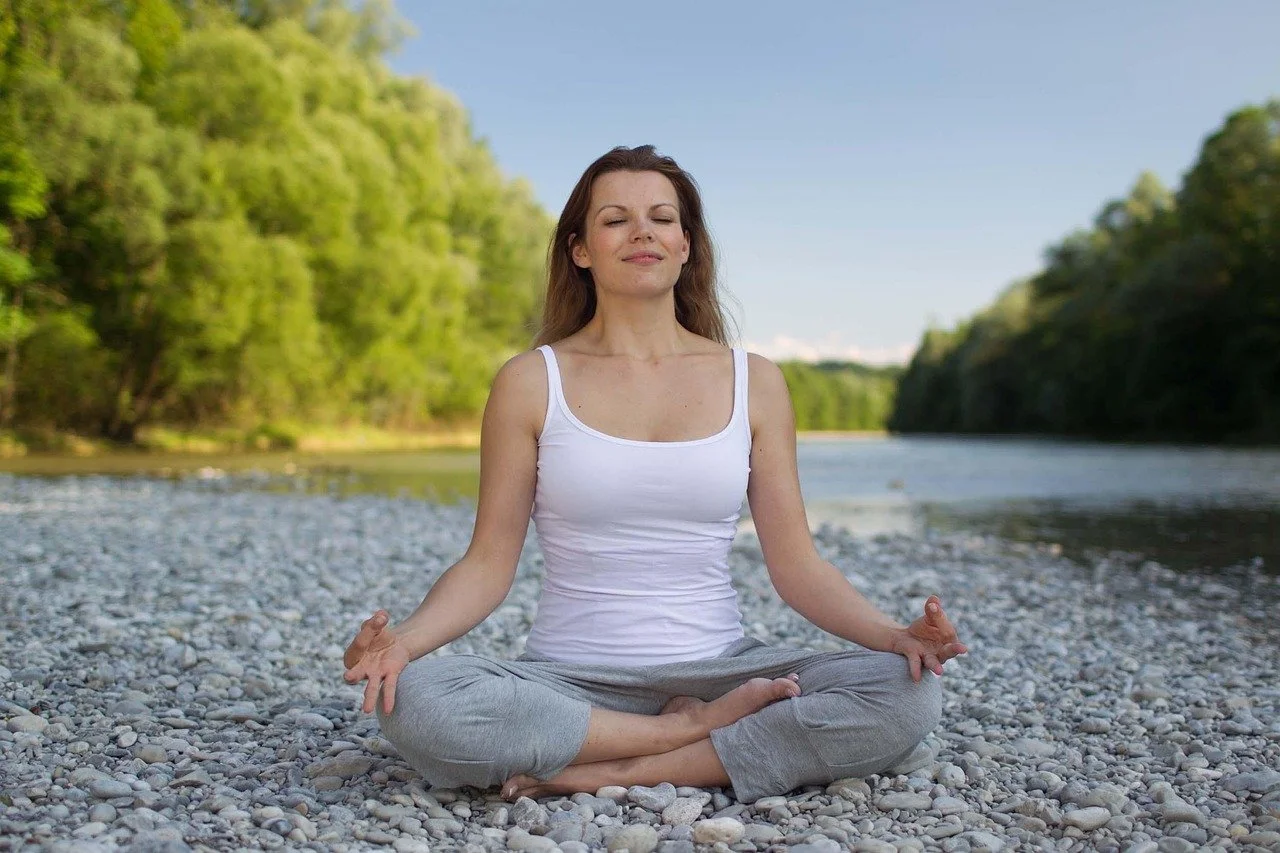
Meditation and mindfulness are powerful tools for enhancing mental clarity, emotional regulation, and physiological balance. Different styles of meditation—such as focused attention, open monitoring, and loving-kindness practices—have unique effects on your nervous system. Modern research, including studies in hypnotherapy journals, shows that these practices can improve heart rate variability (HRV), strengthen vagal tone, and enhance autonomic flexibility.
How Meditation Affects Your Body
Meditation activates the parasympathetic nervous system, often referred to as the “rest and digest” branch of your autonomic nervous system. By slowing heart rate, reducing sympathetic arousal, and increasing HRV, meditation promotes calm and emotional resilience. Neuroimaging research suggests that meditation enhances prefrontal cortex regulation over emotional centers like the amygdala, improving attention, focus, and stress response.
Hypnosis and Mindfulness: A Powerful Combination
Hypnosis and mindfulness share surprising overlaps. Both involve focused attention, guided mental imagery, and intentional awareness, which can modulate physiological responses. Studies indicate that:
Hypnosis can increase parasympathetic activation and HRV, similar to meditation.
Hypnotic guidance can amplify the emotional regulation benefits of controlled attention.
Highly hypnotizable individuals may experience stronger autonomic and cognitive effects, but benefits are accessible to anyone with consistent practice.
Combining hypnosis with meditation deepens the mind-body connection, allowing you to intentionally influence your nervous system and emotional state.
Practical Techniques to Try
Find a Quiet Space: Sit comfortably with a straight back.
Focus on the Breath: Slow inhalations for 4–6 seconds, brief hold, exhale for 6–8 seconds.
Guided Visualization: Imagine calm energy flowing in and tension leaving your body.
Optional Hypnotic Suggestions: Use a mantra such as “With each breath, I feel calm, centered, and resilient.”
Practice Daily: Even 5–15 minutes can enhance emotional regulation, autonomic flexibility, and stress resilience.
Research Highlights
Autonomic Benefits: Hypnosis and mindfulness both reduce sympathetic arousal and enhance parasympathetic tone.
Heart-Brain Connection: Practices that increase HRV support better emotional regulation and cognitive focus.
Long-Term Impact: Regular practice leads to sustained improvements in stress resilience, emotional stability, and autonomic function.
Individual Differences: Response to hypnosis and meditation varies, with hypnotizability influencing outcomes.
Takeaway
Meditation and mindfulness are more than mental exercises—they actively shape your physiology. When combined with hypnosis, these practices enhance your nervous system’s ability to regulate stress, improve emotional resilience, and optimize mind-body performance. By dedicating even a few minutes daily to these practices, you can strengthen your parasympathetic system, improve HRV, and cultivate a calm, focused, and resilient mind.