
Biofeedback Beyond HRV: Skin Conductance, Temperature, and Muscle Tension
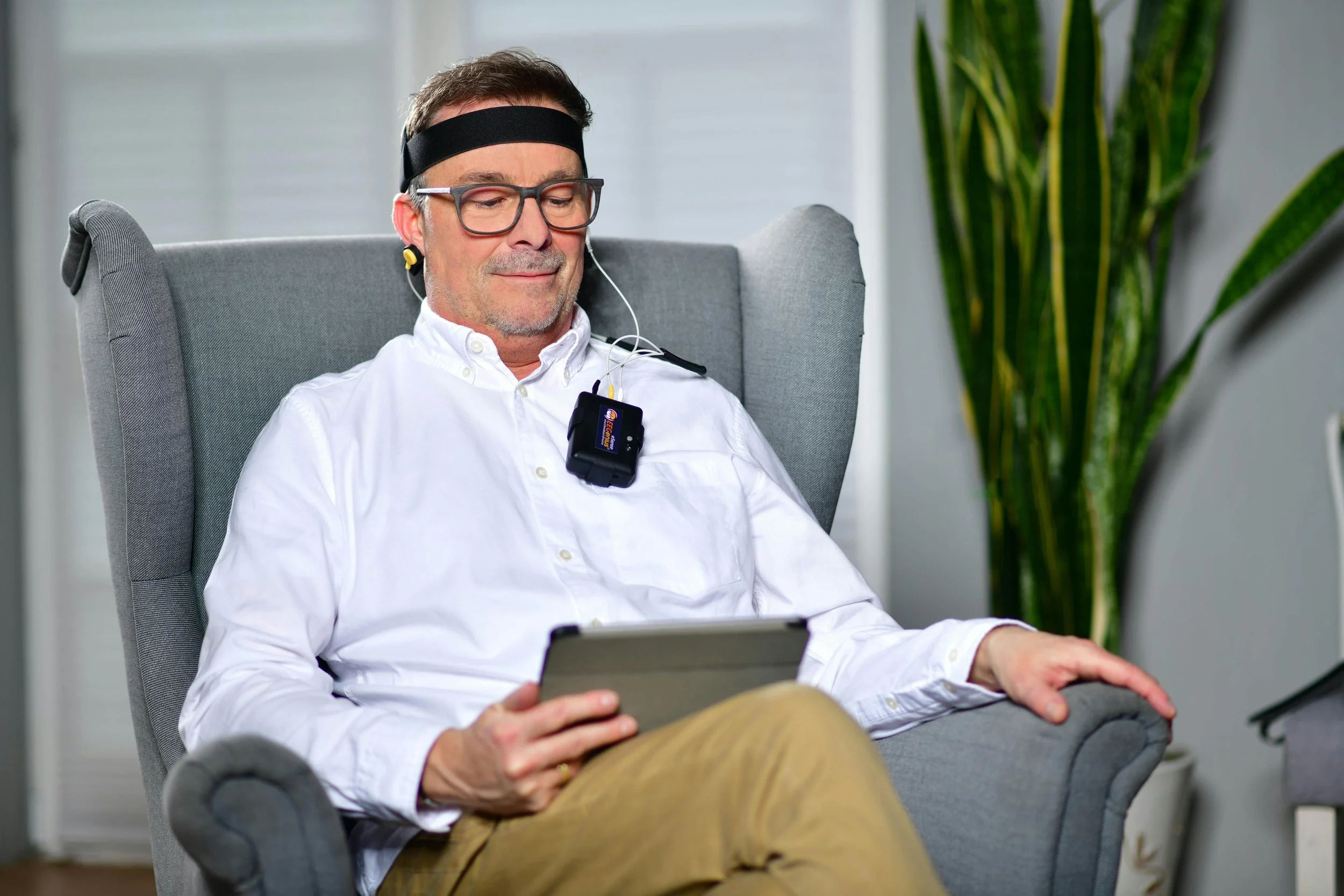
Hypnosis isn’t just about relaxation or mental focus—it can actively influence your body’s physiology. While heart-rate variability (HRV) is commonly used to track autonomic balance, other biofeedback measures like skin conductance, skin temperature, and muscle tension offer valuable insights into how your nervous system responds to stress and relaxation.
Skin Conductance: Calming Sympathetic Activity
Skin conductance, also called electrodermal activity (EDA), measures sweat gland activity, which reflects sympathetic nervous system arousal. Hypnotherapy research shows that hypnotic suggestions can lower skin conductance, indicating reduced stress and heightened calm. High-hypnotizable individuals show the most pronounced effects, demonstrating the mind’s capacity to regulate bodily responses.
Skin Temperature: Guiding Peripheral Blood Flow
Stress often leads to cold hands and feet due to constricted blood vessels. Hypnosis, particularly imagery focused on warmth, can increase peripheral skin temperature, signaling parasympathetic activation. This technique has practical applications for stress management and conditions like Raynaud’s phenomenon, where autonomic regulation is key.
Muscle Tension: Relaxation Through Hypnosis
Muscle activity, measured via electromyography (EMG), is another indicator of stress. Research demonstrates that hypnosis can significantly reduce EMG activity, promoting physical relaxation and reducing strain. Guided imagery and progressive relaxation techniques enhance this effect, helping manage stress, chronic pain, and improving recovery after exertion.
Practical Applications
Guided Hypnosis: Use imagery to release tension, imagine warmth, or calm your body.
Daily Practice: Short sessions, even 5–10 minutes, can improve autonomic flexibility and stress resilience.
Biofeedback Monitoring: If available, track changes in skin conductance, temperature, and muscle tension during hypnotic sessions.
Adapt to Hypnotizability: Adjust suggestions and focus based on your responsiveness to maximize benefit.
Takeaway
Hypnosis is a powerful tool that can shape not only your mind but also your body’s physiological responses. By integrating biofeedback measures beyond HRV into your practice, you can enhance relaxation, resilience, and overall well-being. Small, intentional moments of focus and guided imagery can profoundly influence how your nervous system responds to stress.