What It Felt Like to Lose Myself: Reclaiming Joy and Aliveness
“Happy New Year. If you’re listening today, I want to acknowledge that this is a fresh start — but I also know that for some of us, the start of a new year can feel heavy. This episode is about what it felt like to lose myself — and how I began to find my way back.”
When Losing Your Body Feels Like Losing Yourself
When your body, vitality, and health start to fail, your identity can begin to fade too. At first, it’s subtle — a dimming of your usual spark. Then, suddenly, the person you once recognized disappears, leaving you adrift.
At my lowest point, my identity felt utterly erased. The coach, the professional, the confident, competent human — all seemed gone. I questioned everything: who am I if I cannot move, think clearly, or thrive?
Even joy vanished. Movies that once made me laugh — The King of Kong, The Castle, Mary and Max, or classic comedies like Seinfeld and Little Britain — no longer provoked anything. Reading felt impossible; even music resonated painfully. My body felt inert, dissociated, as though I were floating in a vast, empty expanse.
In moments of dark absurdity, I would joke to myself: “I can’t even kill myself. I have to get better first.” It sounds shocking, but in that numb state, it was the only way to articulate the extremity of despair.
The Science of Laughter and Healing
Even though I couldn’t feel joy, science shows that laughter itself can literally change our biology. In Japan, a study tested two groups of type 2 diabetes patients. One watched a comedy show, the other a boring lecture. Afterwards, their blood sugar was measured:
Lecture group: blood sugar spiked dangerously.
Comedy group: spike was about half as much.
Researchers discovered that laughter altered the expression of 23 different genes — literally reprogramming internal chemistry. Dr. Joe Dispenza calls this signaling new genes in new ways. Just as stress can gray hair overnight, joy can activate genetic sequences that support health and repair.
Finding Life Through Visualization
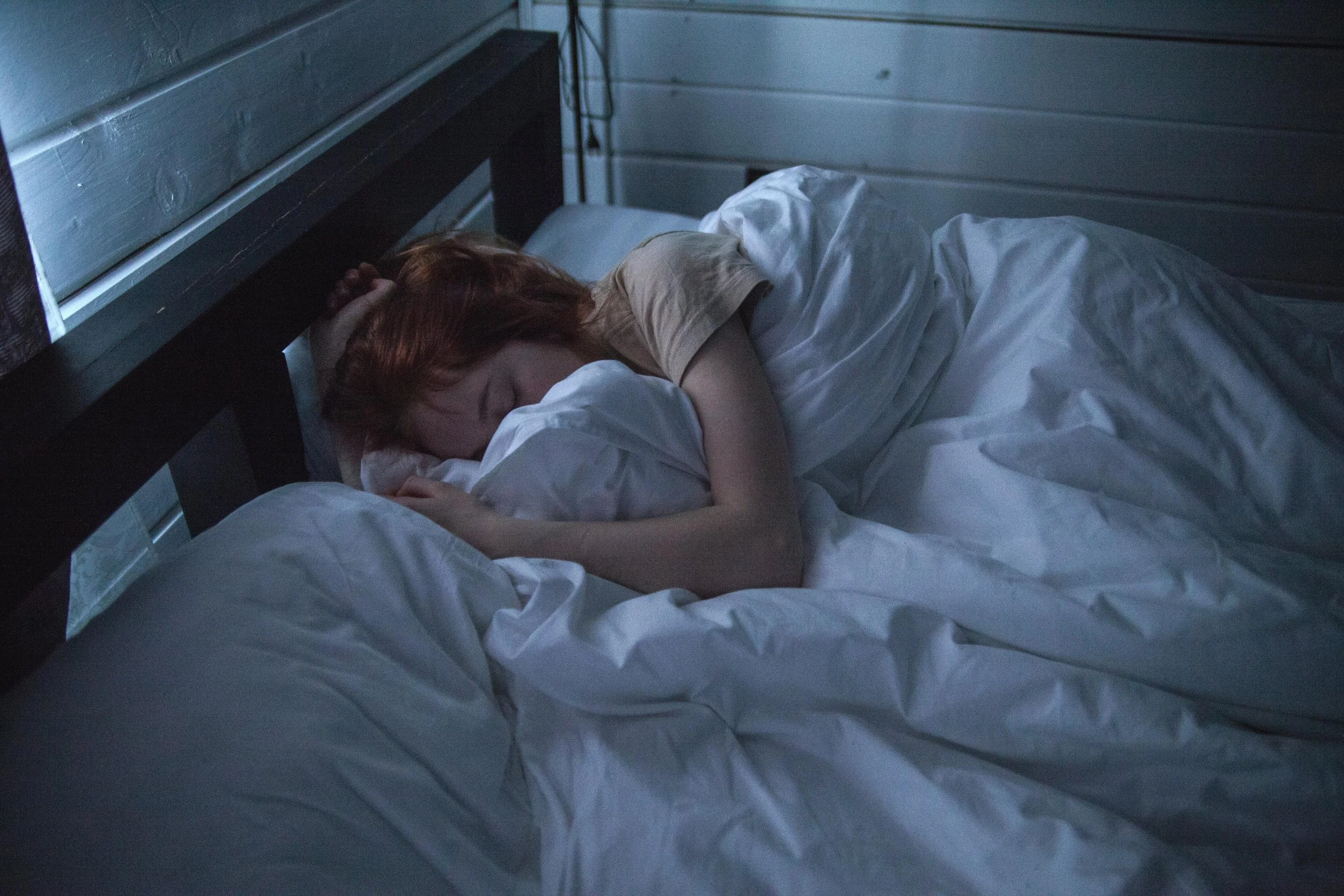
At the time, I couldn’t laugh — but I realized imagination could act as medicine. Lying in bed for months, in relentless pain, I forced my body to respond through self-induced pleasure. It may sound crude, but even the tiniest flicker of dopamine, oxytocin, or endorphins broke the loop of despair.
Then I visualized: running barefoot along a beach, laughing with my partner, sand firm beneath my feet, waves lapping at my toes. Even when my body felt deadened, my mind began signaling to my cells: this is what aliveness feels like.Slowly, faintly, joy returned.
Coaching Insight
Losing yourself can feel catastrophic, but it’s also a portal — an invitation to reconnect with your essence. Healing begins with small, deliberate acts: cultivating even the tiniest fragment of pleasure, delight, or hope.
Comedy, visualization, music, or touch — these aren’t distractions. They are biological interventions. They literally change your brain and body. By retraining your nervous system to recognize positivity, however faint, you begin to reclaim your life.
Mini Hypnosis / Reflection
Close your eyes. Breathe deeply. Gather every piece of yourself — even the broken, numb, or painful parts — into your awareness. Visualize the beach: wind on your face, sand under your feet, waves at your toes.
Now, imagine a moment that once made you laugh — a comedian, a friend’s story, a silly movie. Allow even the faintest echo of laughter to rise. Feel it in your chest. You are still here. You are still you. Even in the depths, your essence remains.
Closing / New Year’s Intention
As we step into this new year, remember: feeling good is like building a muscle. Keep watching comedies. Keep laughing. Keep practicing joy, even if it feels small.
The more you practice, the stronger that joy becomes. You can reclaim your laughter, your delight, and your life — one small, deliberate moment at a time.
Happy New Year. Let this be the year you begin to feel yourself again.