
Master Your Heart: A Guided HRV Biofeedback Approach
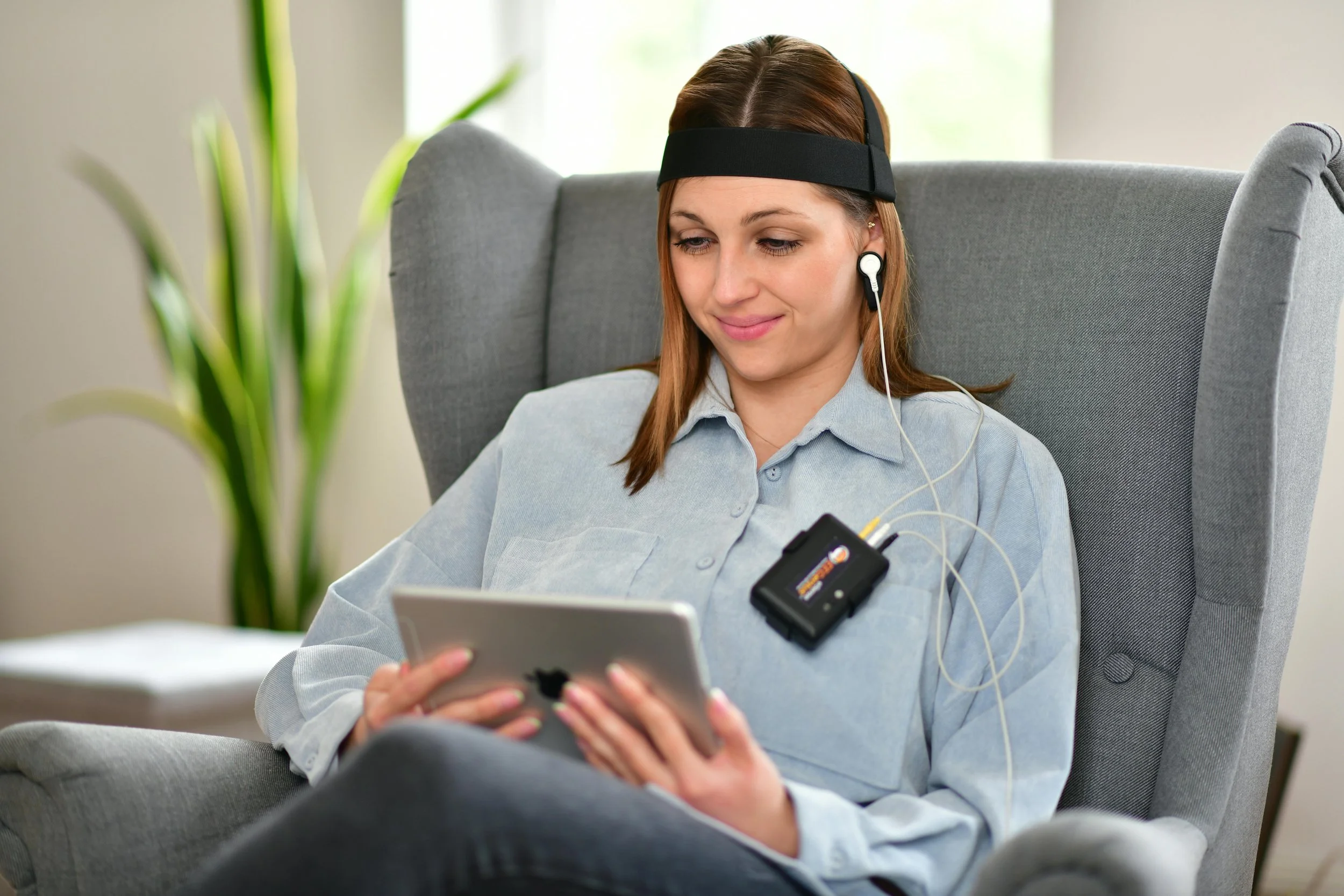
Heart-rate variability (HRV) is one of the clearest indicators of how flexible and resilient your autonomic nervous system is. It measures the variation in time between heartbeats, reflecting the balance between the sympathetic (“fight or flight”) and parasympathetic (“rest and digest”) systems. High HRV is associated with better stress resilience, improved recovery, and overall well-being. The exciting part? HRV can be trained and enhanced—starting with something as simple as your breath.
The Power of Focused Intention
Legendary hypnotherapist Milton Erickson demonstrated the transformative potential of focused intention and self-directed engagement. One of his patients, struggling with diabetes, heart disease, and heavy smoking, had spent months in psychoanalysis without improvement. His health worsened—weight gain, rising blood pressure, and increased cigarette consumption—leaving him frustrated and desperate.
Erickson didn’t give advice or prescribe steps. Instead, he asked the patient to slowly retell his story, specifying exactly what he wanted for himself. Repeating this narrative multiple times, each iteration more positive and emphatic, induced a natural trance—a “general waking trance.” Over the following year, the patient’s health transformed: blood pressure normalized, diabetes came under control, smoking ceased, and energy levels improved dramatically.
This story highlights a key principle behind HRV training and other mind-body practices: self-directed engagement, focus, and intention can activate internal pathways for profound change. Just as Erickson’s patient guided himself to wellness, we can consciously influence our heart, nervous system, and overall resilience.
HRV Biofeedback: Step-by-Step
Practicing HRV biofeedback trains your heart and nervous system to work in harmony through slow, mindful breathing. Here’s how to get started:
1. Prepare Your Space
Find a quiet, comfortable spot
Sit upright on a chair or cushion
Optional: use a heart-rate monitor or wearable device to track HRV
2. Engage Your Diaphragm
Place one hand on your chest and one on your belly. Inhale deeply through the nose, allowing your belly to expand while keeping the chest relatively still. Exhale gently, feeling your belly contract.
3. Begin Resonance Breathing
A good starting pace is approximately six breaths per minute: inhale for five seconds, pause for one second, and exhale for five seconds. Focus on the rhythm of your breath and your heartbeat. If your mind wanders, gently return attention to your breathing.
4. Synchronize with Your Heart
Visualize your heart opening and closing with each breath, like a gentle wave. Inhale, feel it rise; exhale, feel it fall. This visualization reinforces the resonance effect, improving physiological coherence.
5. Sustain and Observe
Practice for 5–10 minutes. If using a wearable, notice HRV increasing and heart rhythm becoming more variable. Without a device, simply observe the sensations in your body—calm, centered, and more responsive.
Optional Enhancements
To deepen the practice:
Visualization: Imagine tension leaving your body with each exhale, and energy flowing with each inhale.
Mantra: Mentally repeat “inhale calm, exhale stress” to reinforce focus.
Biofeedback Apps: Track your HRV in real-time to reinforce motivation and fine-tune your practice.
Consistency is key—daily practice, even for 5 minutes, produces measurable improvements over time.
Integrating HRV Training Into Daily Life
You don’t need ice baths or extreme hypnosis to exert meaningful control over your physiology. The process is about building habits, observing your body, and guiding it intentionally. Daily HRV training enhances nervous system flexibility, improves stress response, and fosters alignment between mind and heart.
By practicing focused breathing and intentional engagement, you empower yourself to respond to stress more effectively, recover faster, and maintain a calm, centered state—even in the midst of daily challenges. Every breath is an opportunity to reconnect with your best self and reinforce the mind-body connection.