
Cold Exposure and Resilience: How Hypnosis Shapes Your Body’s Response
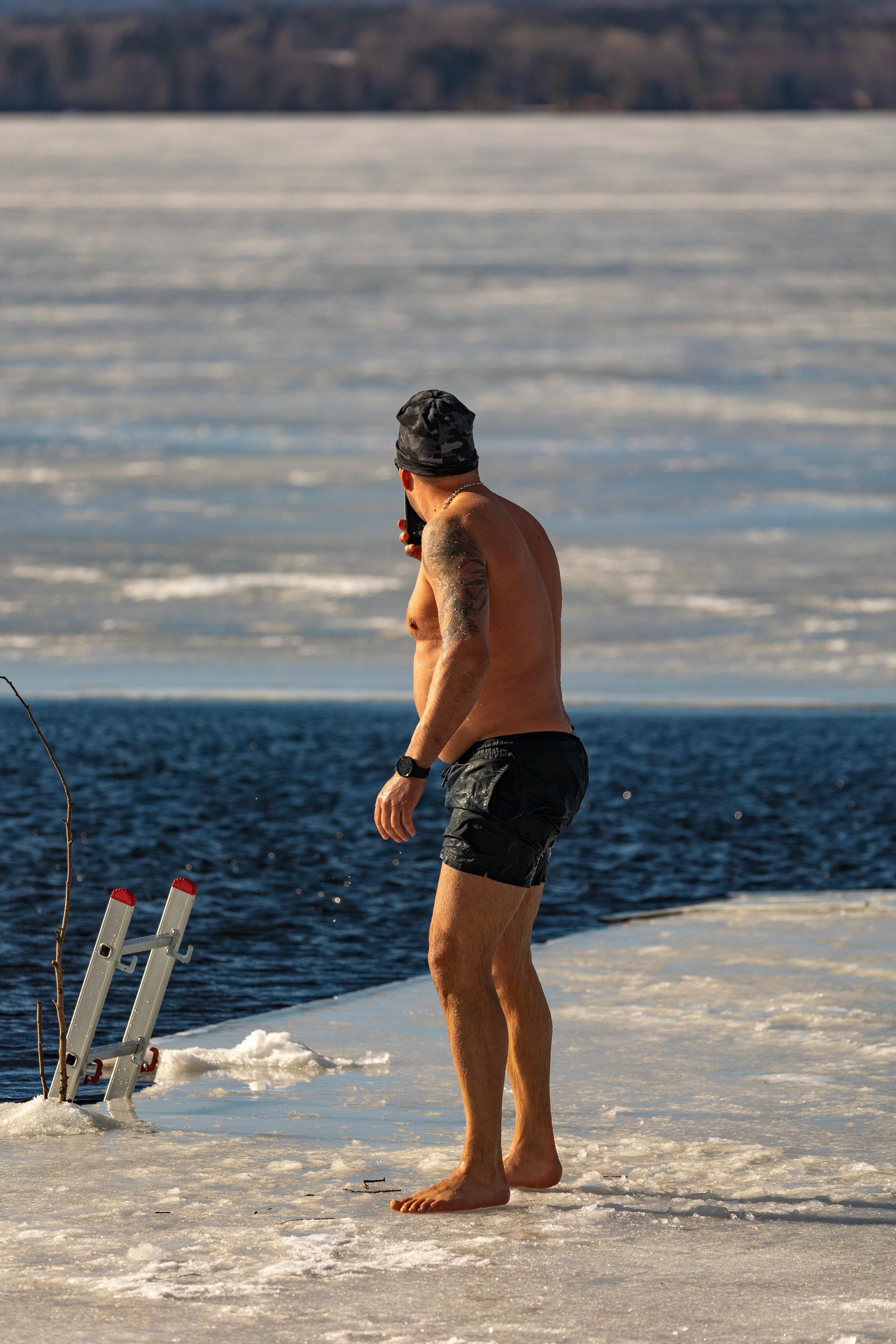
Cold exposure—whether through ice baths, cold showers, or controlled cold practices—triggers the body’s sympathetic nervous system, activating the classic “fight-or-flight” response. Heart rate rises, blood pressure increases, and muscles tense. But research shows that hypnosis can significantly influence how the body responds, enhancing resilience, pain tolerance, and recovery.
Hypnosis and Cold Stress: The Research
Cold-Pressor Test & Pain Tolerance
Studies using the cold-pressor test, where participants submerge a hand in icy water, demonstrate that hypnotic suggestion can drastically increase pain tolerance. Without hypnosis, immersion averages around 2 minutes. Under hypnosis, some participants remained in the cold for nearly 7 minutes, while cardiovascular stress responses were blunted—heart rate and blood pressure did not spike as they normally would.
Active vs Relaxation Hypnosis
Hypnosis isn’t just about relaxation. “Active-alert” hypnotic induction combined with analgesic suggestions can help highly hypnotizable individuals experience lower pain and stress compared to those with lower hypnotizability. This highlights the role of mental focus, imagery, and intention in modulating the body’s stress response.
Imagery and Autonomic Modulation
When participants imagined cold or warmth during hypnosis, fingertip temperatures changed accordingly. This demonstrates that hypnosis can directly influence autonomic nervous system responses, affecting blood flow and skin temperature.
Heart-Rate Variability & Parasympathetic Activation
Hypnosis during cold exposure has been shown to shift heart-rate variability toward parasympathetic dominance. In other words, the “rest-and-digest” system activates, helping the body recover faster and promoting calm after stressful cold exposure.
Practical Implications for Cold Exposure
Hypnotic Preparation
Even a few minutes of focused attention, guided imagery, or hypnotic suggestion can reduce pain perception and stress. Visualizing your body embracing the cold or keeping your breath steady can make the experience more manageable.
Parasympathetic Rebound
Hypnosis strengthens parasympathetic activation after cold exposure. The result: faster heart rate normalization, quicker recovery, and a calmer overall state.
Hypnotizability Matters
Responses vary by individual. Highly hypnotizable people show the most pronounced physiological changes, but even those less susceptible can benefit from guided focus and controlled breathing.
Safety First
Cold exposure carries risks such as hypothermia, fainting, or cardiac stress. Hypnosis enhances resilience but does not make cold inherently safe. Start gradually, ensure a safe environment, and monitor your limits.
Combining Mind and Body for Resilience
Cold exposure can be thought of as a workout for the nervous system. Using hypnotic strategies:
Trains the mind to regulate stress and pain.
Trains the body to recover efficiently.
Strengthens overall resilience to physical, mental, and emotional stressors.
Simple techniques like visualizing warmth, focusing on controlled breathing, or repeating calming mental mantras can enhance tolerance and maximize benefits.
By integrating hypnosis with cold exposure, individuals can cultivate both mental and physiological resilience, improving their ability to respond calmly and recover quickly from stress.